
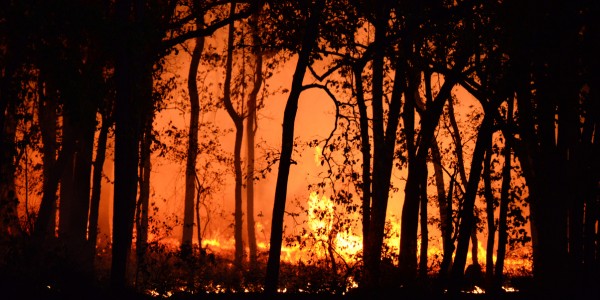
Wildfire season no longer follows a predictable calendar, and it no longer stays confined to a handful of states. Whether you live in a densely wooded area or a neighborhood bordering open grassland, a little preparation now can make a significant difference if a wildfire threatens your community. Here are practical steps homeowners can take to reduce risk and stay ready.
1. Create Defensible Space Around Your Home
Clear dry leaves, pine needles, and dead vegetation within at least 5 feet of your home’s foundation, and thin out brush and trees within 30 feet. This buffer zone slows a fire’s approach and gives firefighters room to work if needed.
2. Choose Fire-Resistant Landscaping
Swap flammable mulch and shrubs near the house for gravel, stone, or fire-resistant plants. Keep trees trimmed away from rooflines and space them out rather than planting in dense clusters close to structures.
3. Harden Your Roof and Vents
Embers can travel over a mile ahead of an actual flame front, and they often ignite homes through vents, gutters, and roof gaps rather than direct contact with fire. Install ember-resistant vents, keep gutters clear of debris, and consider a Class A fire-rated roof when it’s time to replace one.
4. Keep an Emergency Go-Bag Ready
Pack essentials — medications, important documents, chargers, a change of clothes, and supplies for pets — in a bag that’s easy to grab on short notice. In fast-moving wildfires, evacuation orders can come with very little lead time.
5. Know Your Evacuation Routes
Identify at least two ways out of your neighborhood in case one route is blocked. Sign up for local emergency alerts so you receive evacuation notices as early as possible.
6. Photograph and Document Your Belongings
Walk through your home with your phone and record a video inventory of belongings, or take photos room by room. This documentation can speed up an insurance claim significantly if you ever need to file one.
7. Store Important Documents Digitally
Scan or photograph insurance policies, identification, deeds, and financial records, and store copies in the cloud or on a portable drive you can grab quickly. Physical copies can be lost or damaged even if your home survives.
8. Review Your Insurance Coverage Annually
Rebuilding costs change, and so does the value of your belongings. An annual check-in with your agent helps confirm your dwelling coverage limit, additional living expenses coverage, and personal property limits are still adequate.
9. Prepare Your Vehicle in Advance
Keep your gas tank at least half full during fire season, park facing outward for a faster exit, and keep a spare set of comfortable clothes and shoes in the car in case you need to evacuate on short notice.
10. Build a Neighborhood Plan
Talk with neighbors about evacuation plans, elderly or disabled residents who may need help, and a shared check-in point. Community coordination often makes the difference in a fast-moving evacuation.
Preparation Is the Best Policy
None of these steps guarantee a home will be spared, but together they reduce risk and buy valuable time if a wildfire does approach. Pairing preparation with the right insurance coverage gives you the strongest possible position — practically and financially — heading into fire season.
This blog is for general informational purposes only and does not constitute insurance, legal, or financial advice. Coverage details, limits, and exclusions vary by policy, carrier, and state, and this article should not be relied upon as a summary of your specific policy terms. For questions about your coverage or to discuss your individual needs, please contact your local insurance advisor.